When people build a healthier pantry, shelf life is often treated as a simple countdown. In practice, it is more useful to think in layers. A staple can last a long time, but still be awkward to store. It can be nutritionally useful, but fragile once opened. It can look “healthy” on the label, yet become less convenient because it needs refrigeration, fast use, or careful rotation. That is why Starthread uses a pantry-first shelf life matrix: a practical way to compare ingredient stability, storage demands, and everyday usability before buying. The goal is not to chase the longest-dated item. The goal is to choose foods that fit real home routines, support balanced eating, and hold up well enough to stay useful without becoming waste.
What the Pantry-First Shelf Life Matrix Measures
The matrix is built around four questions. First, how stable is the ingredient before opening? Second, how quickly does quality decline after opening? Third, what storage conditions does it need? Fourth, how easy is it to use in ordinary meals and snacks? These questions matter because shelf life is not only about safety. It is also about texture, flavor, and ingredient integrity. A food may still be technically usable long after purchase, but if it clumps, turns rancid, loses crunch, or demands complicated storage, it is less practical for a busy pantry.
Starthread’s editorial approach focuses on foods that are convenient to keep at home. That means looking at the full life cycle of a staple. A bag of oats, for example, may be easy to store and versatile in use. A nut butter may be nutrient-dense and useful, but it can require more attention once opened. A canned bean may have excellent pantry stability, but the sodium level and can lining are worth reviewing. The matrix does not rank foods as universally “good” or “bad.” It helps readers compare trade-offs clearly.
Three core dimensions
- Ingredient stability: How resistant the food is to oxidation, moisture, and flavor loss.
- Storage practicality: Whether it needs a cool, dark cupboard, refrigeration, or airtight packaging.
- Use flexibility: How easily the staple fits meals, snacks, and portion-conscious planning.
How Shelf Life Works in Real Kitchens
Shelf life is shaped by more than a printed date. Packaging, fat content, moisture, and exposure to air all matter. Foods with more unsaturated fats tend to be more delicate because they oxidize more easily. Dry foods usually last longer, but they can still absorb moisture and lose quality if containers are not sealed well. Acidic or salt-preserved foods often hold up better, though their overall nutrition profile still needs context. This is why two products in the same category can behave very differently in a home pantry.
For healthy staples, the most useful question is not “How long does it last?” but “How long does it stay useful in my kitchen?” That shift changes the decision. It puts attention on realistic use patterns. If a food lasts six months but is used weekly, it may be a better pantry fit than a food that lasts two years but is rarely opened because the texture or prep is inconvenient. Pantry planning works best when it matches actual eating habits.
“The best pantry staple is not always the one with the longest date. It is the one that stays stable, tastes acceptable, and gets used before quality falls away.”
Comparing Healthy Staples by Stability and Storage
Different staple groups behave differently in storage. Dry grains, legumes, seeds, canned foods, and shelf-stable dairy alternatives each bring their own strengths and limits. The matrix below is a practical way to think about them.
Dry grains and cereals
Oats, brown rice, quinoa, and wholegrain cereals are often pantry-friendly because they are dry and versatile. Their main vulnerability is quality loss from heat, humidity, and pests. Whole grains can also have a shorter practical shelf life than refined grains because natural oils in the bran and germ can go stale more quickly. Airtight storage helps. Smaller bags can be smarter than bulk purchases if a household uses grains slowly.
Canned and jarred legumes
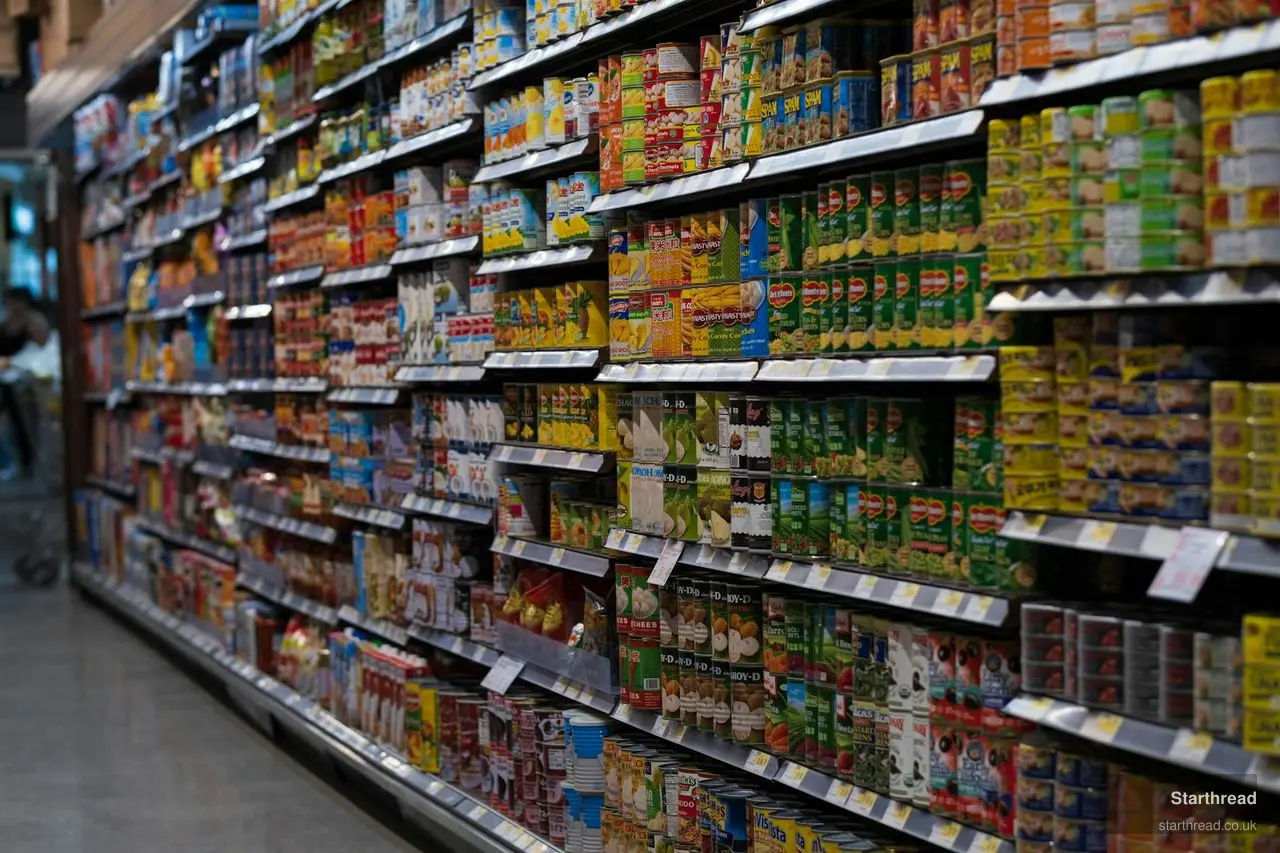
Beans, lentils, and chickpeas in cans or jars are among the most useful shelf-stable healthy staples. They are ready to rinse and use, which makes them practical for quick meals. Their stability is strong, but sodium levels vary widely. Some products are packed in salt-heavy brine, while others are lower in sodium. Texture can also soften over time, especially if cans are stored in warm conditions. For pantry planning, they score well on convenience and moderate to high on storage practicality.
Nuts, seeds, and nut butters
Nuts and seeds offer useful fats, protein, and crunch, but they are more sensitive to rancidity than dry grains. Heat and light can shorten their quality window. Refrigeration can help once opened, especially for larger bags or natural nut butters. Seed mixes and nut butters are often best when bought in quantities that match usage speed. They are nutritionally dense, but they require smarter rotation than many other staples.
Long-life dairy and alternatives
Shelf-stable milk, unsweetened plant drinks, and certain protein-fortified beverages can be useful backup staples. Their convenience is high because they bridge the gap between pantry and fridge. Still, their ingredient lists deserve attention. Some contain added sugars, stabilizers, or flavor systems that may be fine in context but should be understood rather than ignored. Once opened, they usually need refrigeration and prompt use. Their pantry value is strongest when they are part of a planned rotation.
Canned fish and other protein staples
Tools like canned tuna, salmon, sardines, and similar shelf-stable proteins can improve pantry flexibility. They store well and can support simple meals with grains, vegetables, or crackers. The main considerations are sodium, oil versus water packing, and flavor preference. A pantry-first approach favors products that are easy to open, easy to portion, and likely to be used before quality fades. These foods are often practical, but they are best selected with label review rather than habit alone.
Building the Matrix: A Simple Editorial Scoring Method
Starthread’s shelf life matrix works well when each staple is scored across the same criteria. The purpose is not to create a perfect math model. It is to make comparison easier and more transparent. A simple 1-to-5 scale can be enough.
Score each food on:
- Pre-open stability: How well it holds in the cupboard before use.
- Post-open stability: How fast quality drops after opening.
- Storage ease: Whether it needs special containers, refrigeration, or careful light control.
- Ingredient clarity: Whether the label is easy to understand and free from unnecessary complexity.
- Use frequency: How likely it is to be used in normal weekly meals.
A staple with strong scores across all five areas becomes a reliable pantry anchor. A staple with mixed scores may still be worth keeping, but in smaller amounts or with faster rotation. For example, plain oats may score high on storage ease and use frequency. A flavored gradual cereal may score lower on ingredient clarity and post-open stability. A jar of almond butter may score well on use frequency but need stronger attention to storage and rotation.
This kind of scoring helps reduce waste. It also reduces the common problem of buying “healthy” foods that sit unused because they are inconvenient. Pantry planning should feel realistic, not idealized. A good system respects time, budget, and household habits.
Label Clues That Affect Shelf Life
Ingredient lists and packaging details often reveal how a food will behave at home. The front of the pack may highlight nutrition claims, but the back usually tells the more useful story. Oils, emulsifiers, preservatives, added sugars, and moisture content all influence stability. Some ingredients are there for shelf life, some for texture, and some for flavor. The key is to notice what those ingredients imply.
Useful label cues include:
- Oil type: Products with delicate oils may need cooler storage after opening.
- Packaging format: Vacuum sealing, cans, and dark jars often protect quality better than thin bags.
- Serving size: A large container may be practical only if the household uses it quickly.
- Added moisture: Foods with more moisture usually have shorter practical pantry life once opened.
It also helps to separate “best before” language from safety assumptions. A date is a quality guide, not always a hard stop. But quality can still decline in ways that matter for taste, texture, and appetite. A pantry-first shopper notices when a product is likely to remain pleasant enough to use. That is often the difference between a staple and clutter.
Practical Pantry Planning for Healthy Staples
Once the matrix is in place, pantry planning becomes easier. Start with foods you know you will use. Then add a few long-life back-ups that cover different meal formats. A balanced pantry usually includes one or two grains, a legume, a protein source, a fat source, and one or two quick-use extras such as broth, canned vegetables, or shelf-stable milk. This mix supports variety without overcomplicating storage.
Rotation matters as much as selection. Put newer purchases behind older ones. Keep opened items in airtight containers when appropriate. Store heat-sensitive foods away from ovens and sunny windows. Check nuts, seeds, and oils more often than dry grains. Use smaller containers if a product is slow-moving. These habits extend practical shelf life without turning pantry management into a chore.
It is also sensible to match shelf life with eating style. A household that cooks often can keep more dry staples. A household that needs fast assembly may benefit more from canned beans, ready grains, and shelf-stable sauces. Neither setup is better in the abstract. The best pantry is the one that gets used.
Closing Perspective: Choosing Staples That Earn Their Space
The pantry-first shelf life matrix is useful because it treats healthy staples as working ingredients, not abstract ideals. It asks whether a food stores well, stays stable, and fits real life after purchase. That makes it especially relevant for readers who want nutrient-dense convenience foods without waste or guesswork. Starthread’s view is simple: the healthiest pantry is the one you can manage consistently. A staple earns its place when it is stable enough, clear enough, and practical enough to support regular meals at home. Use shelf life as one decision factor, not the only one, and the pantry becomes easier to trust.
This content is for informational purposes only and is not a substitute for professional medical or dietary advice.